
LED Phototherapy
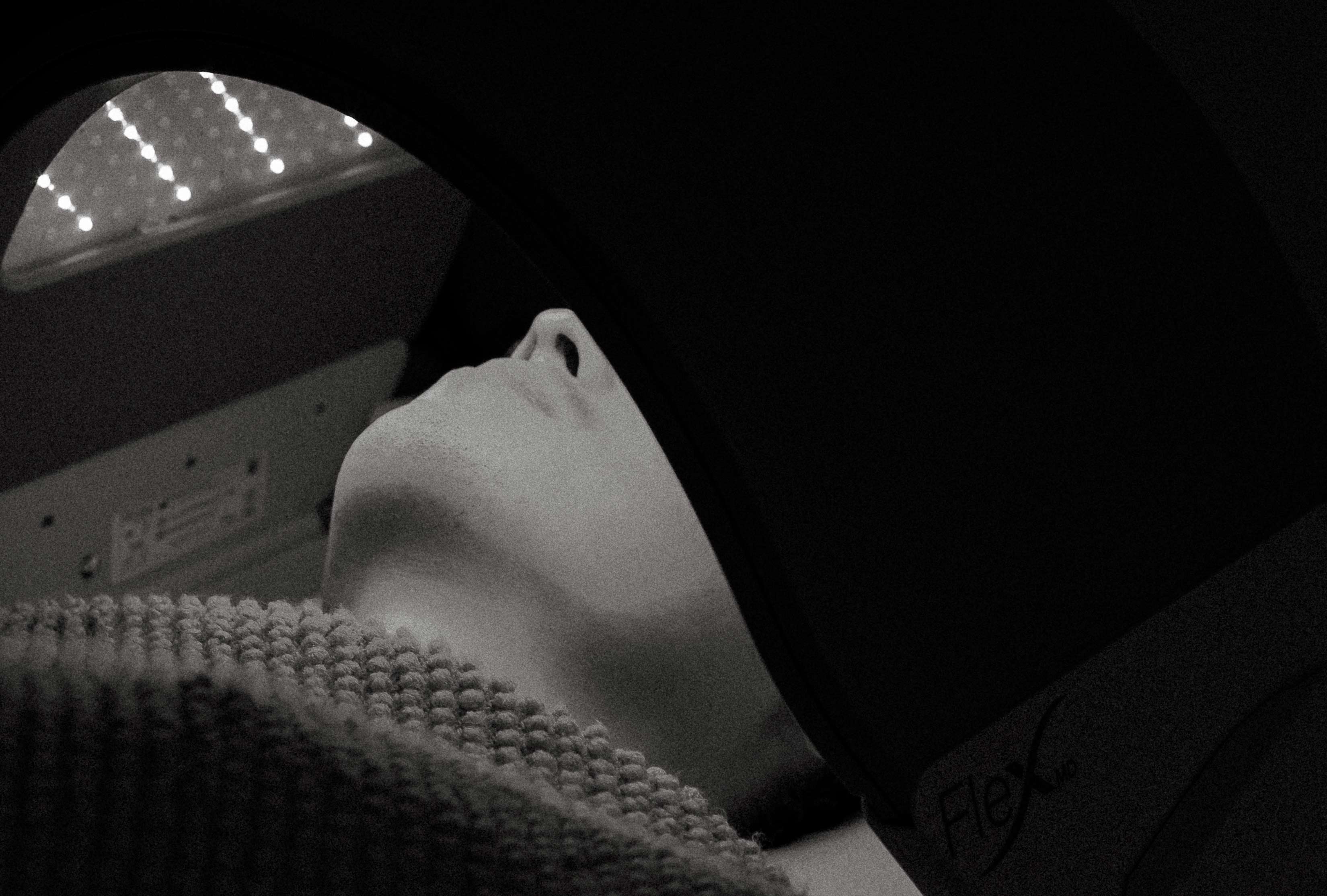
How it works
LED Phototherapy harnesses specific wavelengths of light to penetrate the skin’s surface, stimulating cellular rejuvenation. This process enhances collagen production, which leads to improved skin elasticity and firmness, while also reducing inflammation, promoting faster healing, and improving overall skin tone and texture.
To amplify the benefits of red light therapy, we pair it with specialised serums that target specific skin concerns such as tightening and brightening. By customising the light combinations (Red, Blue & Near Infrared) to suit your unique needs, we ensure a personalised approach to skincare that maximises results.
Recommended for
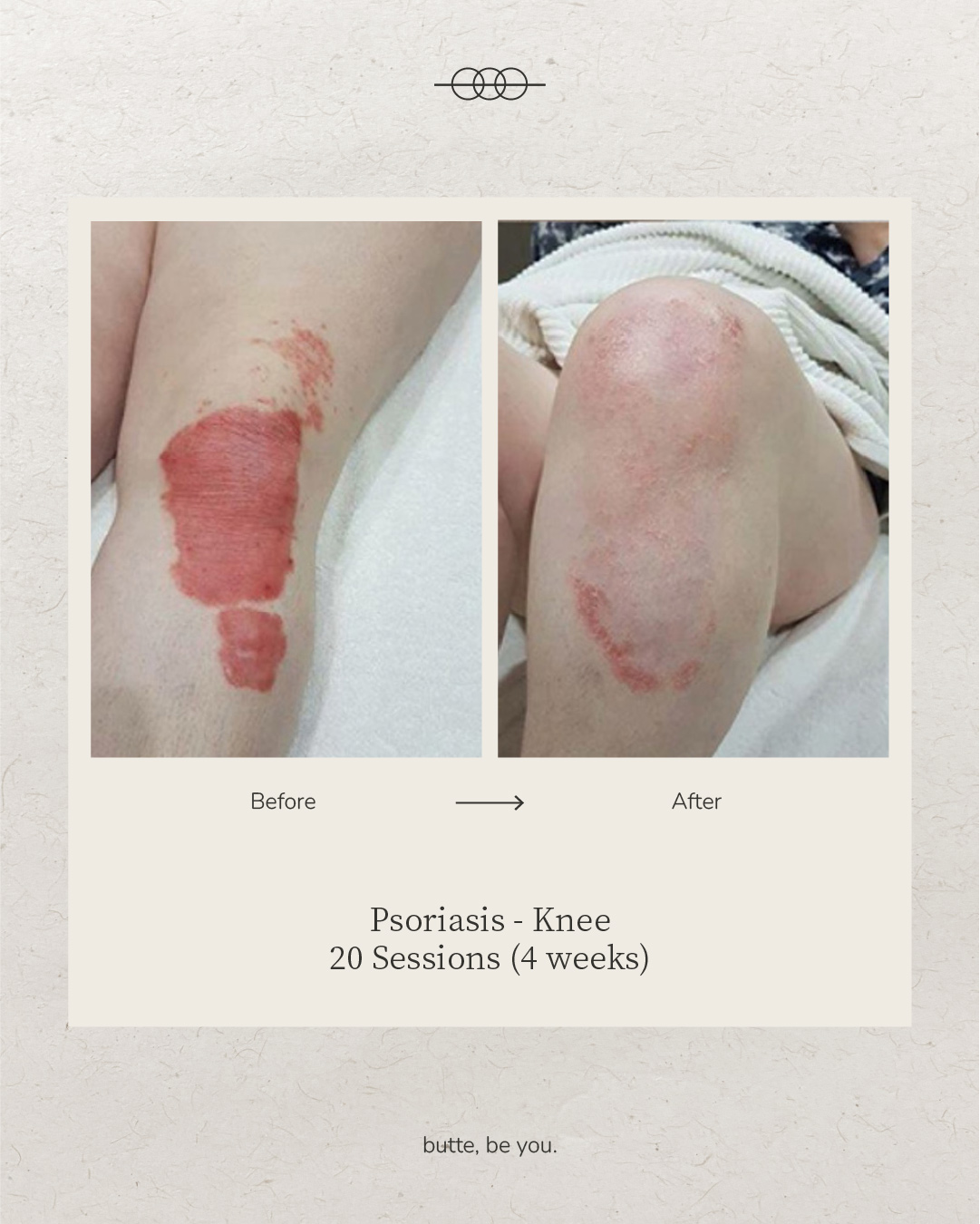
• Psoriasis
• Rosacea
• Eczema
• Blemishes
• Hyperpigmentation
• Hypopigmentation
• Wound Healing
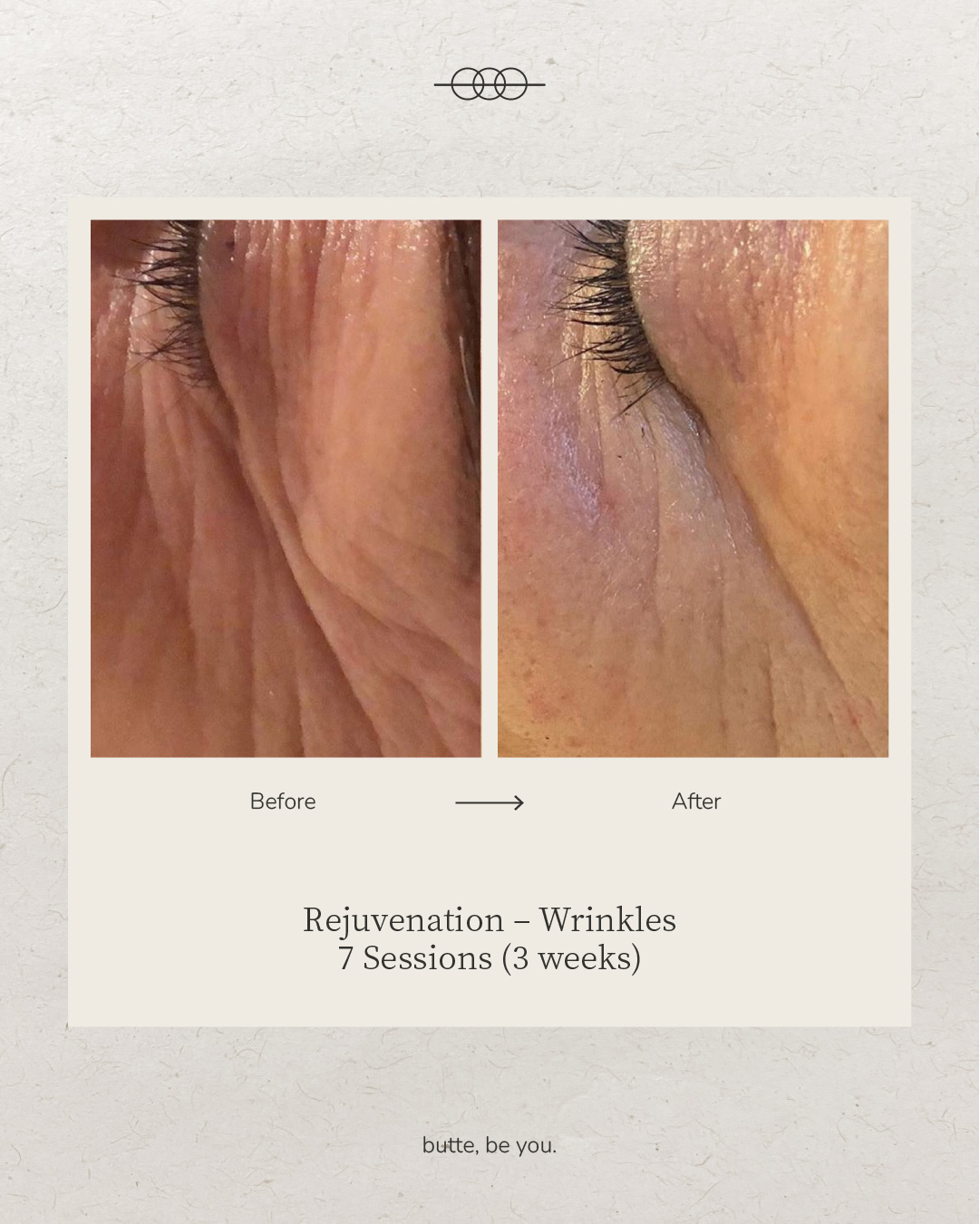
• Anti-ageing
• Skin Tightening
• Reduce Inflammation
• Pain relief (musculoskeletal)
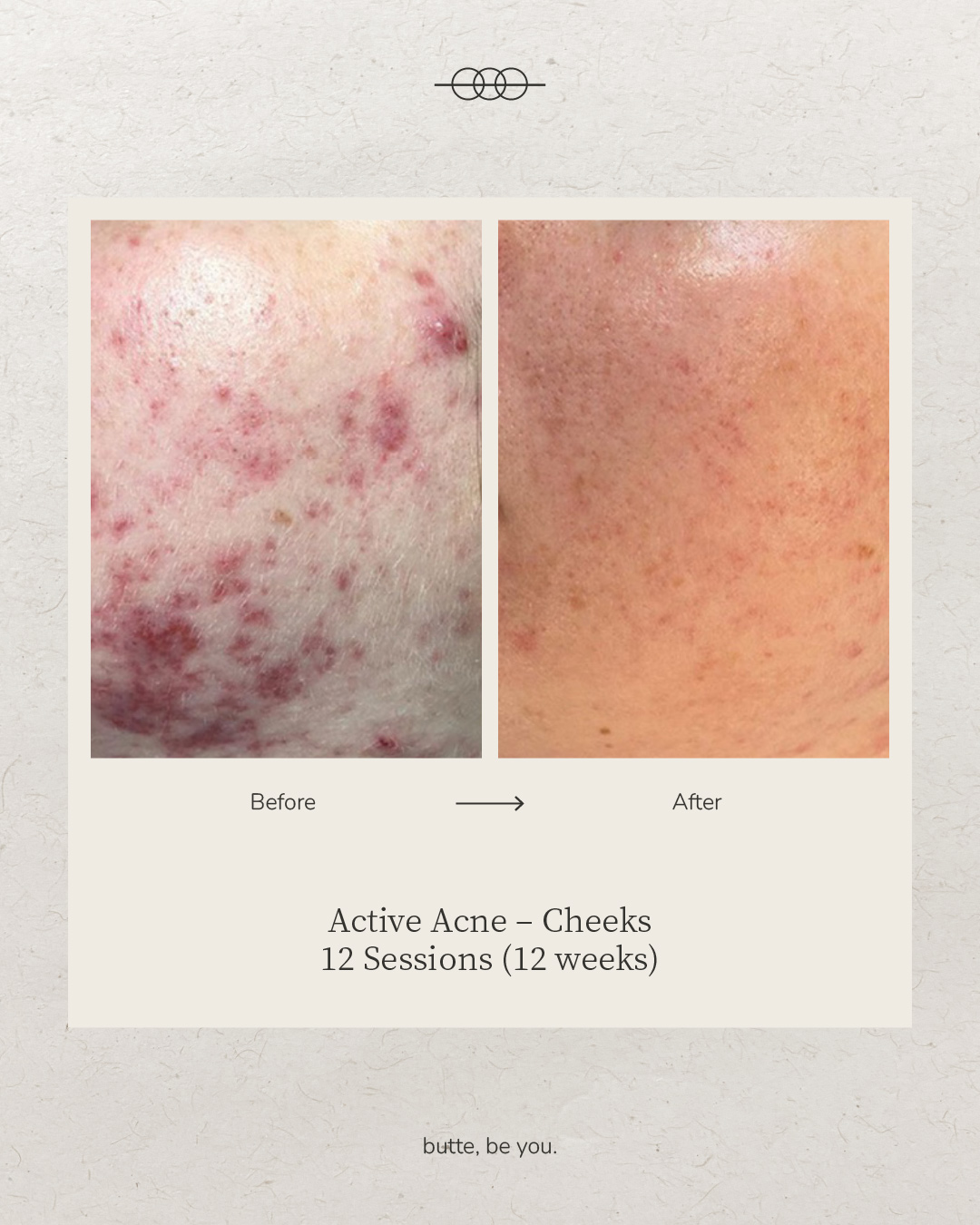
• Active Acne – Mild to Severe
If your concern areas are not listed here and you’re unsure if this treatment is best suited for you, get in touch with us!
NOT Recommended for
• Albinism
• Epilepsy
• Active Cancers
• Pregnant/ Nursing
• Seizures triggered by light
• Porphyria Metabolic Disorder
• Systemic Lupus Erythematosus (SLE)
• Genetic eye conditions/ Disease
• Glaucoma or Cataracts
• Recent Lasik surgery
• Light-induced headaches.
• Photosensitive Eczema
• Photosensitive disorder
(sensitisation to light)
• Medications that causes
photosensitivity*
For conditions marked with an asterisk (*), if you are taking any medication (oral and topical) that can cause photosensitivity, it may lead to a severe skin reaction. Photosensitivity is a common side effect of various medications, including certain antibiotics, chemotherapy drugs, and diuretics. If you are uncertain about any medication you may be taking, consult your healthcare provider.
Additionally, other substances not listed above that are known to increase the risk of photosensitivity, such as St John’s Wort, coal tar, deodorants, antibacterial soaps, artificial sweeteners, naphthalene (moth balls), petroleum products, brightening agents found in laundry detergent, and cadmium sulphide (a chemical injected into the skin during tattooing), can also cause photosensitivity.
Prioritising your health and well-being before any cosmetic procedure is crucial. We highly recommend consulting with your doctor to confirm the suitability of LED Phototherapy for you. Additionally, providing a doctor’s consent letter before proceeding with the treatment further assures your well-being.
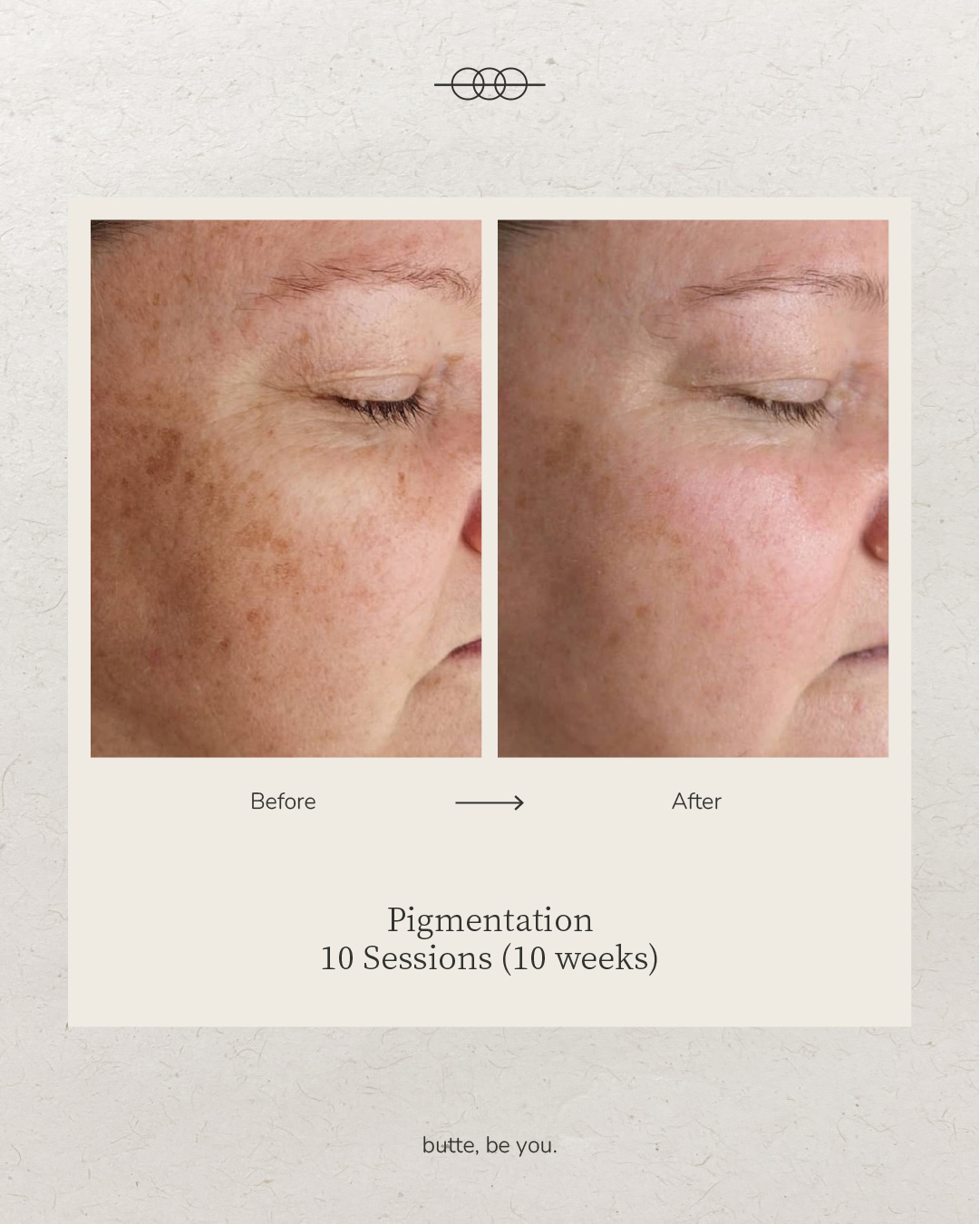
Transformation Examples (In Progress)
Take a look at these examples to see how our LED Phototherapy can make a difference. Each example highlights the impressive results, though it’s important to remember that achieving the best outcome usually depends on the severity of the skin condition.
To view the full transformations, click on the images below.

© 2024 • Butte – A Paramedical Studio